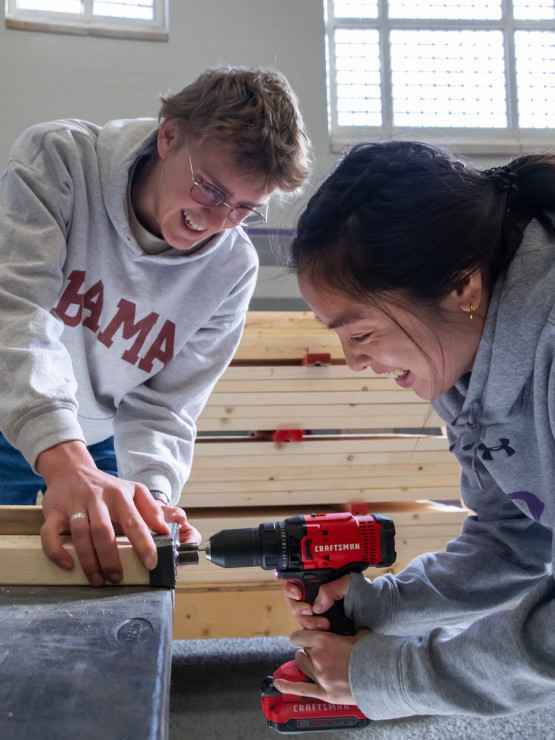
Experiential learning is a transformative process. Experience, reflect, synthesize—then ask new questions and start again.

vision

The Center for Experiential Learning cultivates curious, courageous, and community-minded learners through transformative experiences that foster relationship-rich connections, bridge theory with practice, and span boundaries to serve the common good.

Mission

The Center for Experiential Learning integrates undergraduate research, the first-year experience, involvement with the environment, civic engagement, and global citizenship to develop compassionate, self-reflective learners who engage across boundaries to address challenges and contribute to a more just, relational society.

"Experiential learning, which shows us real-world examples and implications of what we are talking about in class, taught me that the lessons I was learning weren’t only theoretical or only present in the classroom."

—Chandler Pettis, C’27

Experiential Learning Programs

Office of Civic Engagement

At the University of the South’s Office of Civic Engagement, we affirm our enduring commitment to community—both local and global—through long-term, trust-based collaborations that honor the assets, voices, and histories of our partners. Rooted in the distinctive cultural and historical context of the South, we recognize that in a rural setting, people and relationships are our greatest resources. We strive to engage with humility, sensitivity, and awareness of the legacies that shape our present and future.

First Year Experience

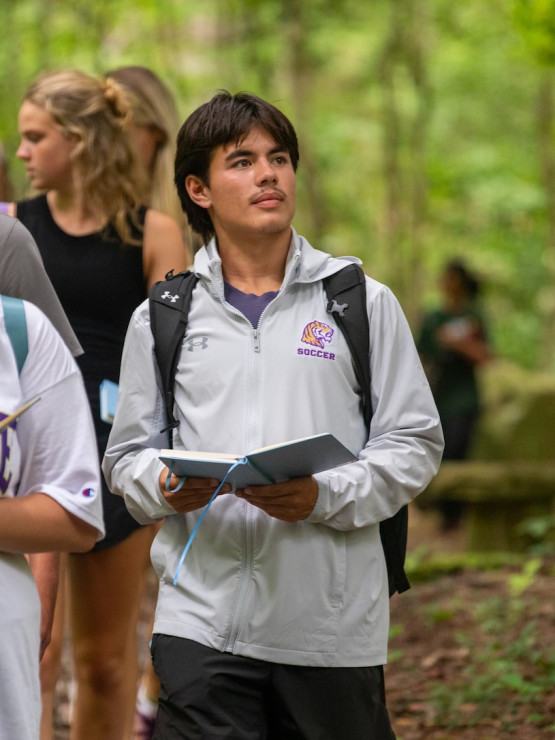
Sewanee’s First Year Experience (FYE) is a multi-dimensional jump start to the Sewanee experience. Every fall, FYE introduces all new students to the Domain, college life, interdisciplinary study, and the many people who make Sewanee special via three components: an academic course with an early immersion period (Encounter), co-curricular experiences on the Domain (Explore), and a one-credit class in the first semester focused on navigating the transition to college life at Sewanee.

Office of Global Citizenship

We are dedicated to training students to address global problems and promoting activities that link Sewanee with the rest of the world. As part of that effort, we strive to cultivate global citizens in our community who can effectively engage across boundaries and respond to challenges facing the world. Global programs include: international and exchange student programs; semester and summer study away; and international internship, job, research, and volunteer opportunities.

Sewanee's Integrated Program in the Environment

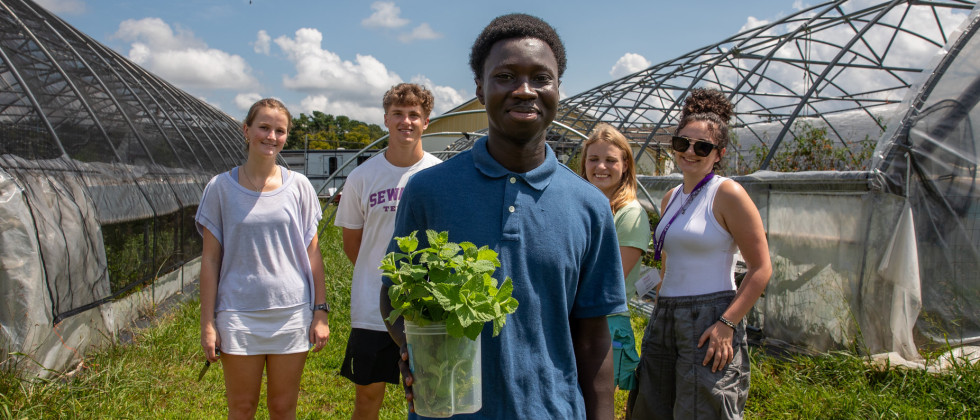
Sewanee's Integrated Program in the Environment (SIPE) is one of the premier collections of environmental offerings in the country. With six majors, six minors, and a certificate, the environmental curriculum—including natural and social sciences as well as the humanities and fine arts—offers students multiple pathways for appreciating the ecological complexity and wonder of the earth we inhabit. SIPE has over 40 faculty and staff that are engaged with students on a variety of research and applied field projects, and we have direct access to a working farm and forest of 13,000 acres, well-funded internships, and alumni involved with management and conservation issues across the globe.

Office of Undergraduate Research and Scholarship

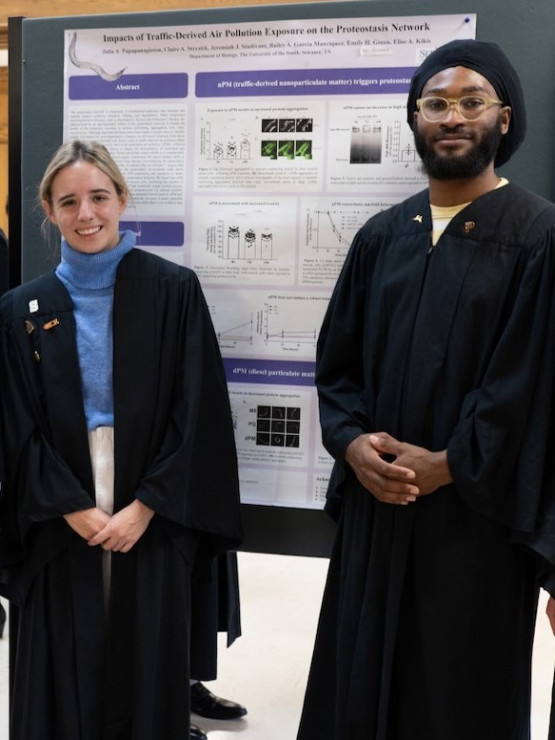
Collaborative research and scholarship is a fundamental activity for students and faculty at Sewanee. The Office of Undergraduate Research and Scholarship (OURS) encourages, supports, and facilitates student research and scholarly experiences by sponsoring workshops, research fellowship programs, and forums in which students may present their research, scholarship, and creative pursuits.

Student Stories

Center for Experiential Learning Staff

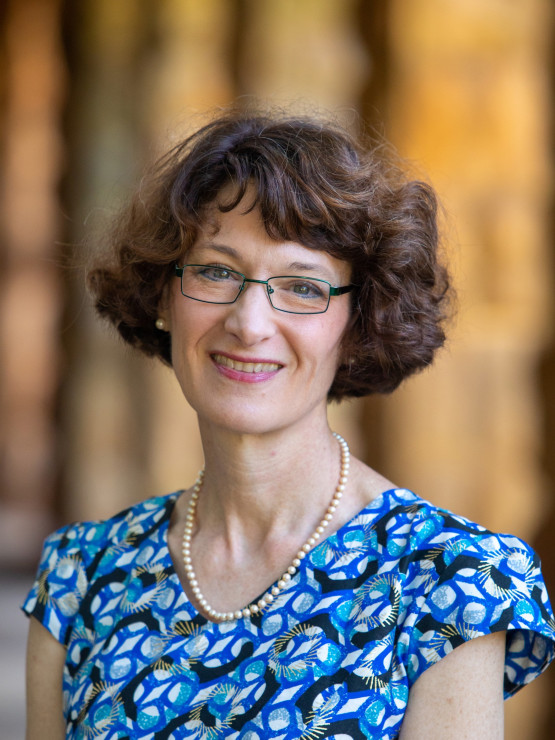
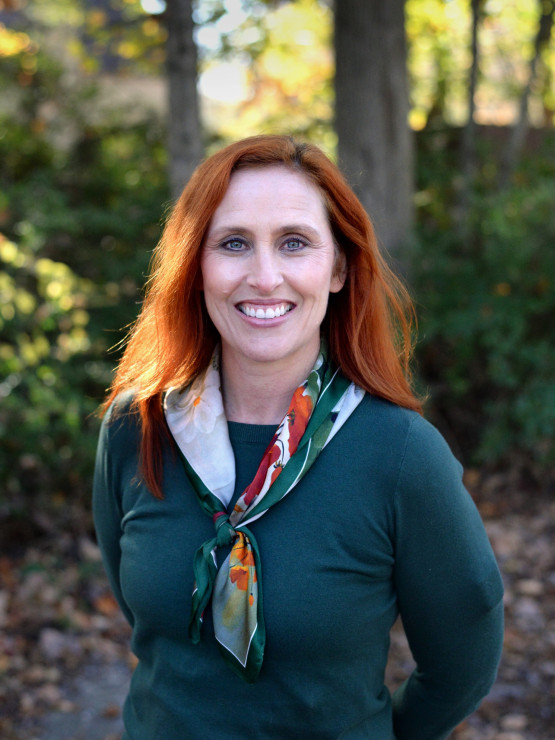
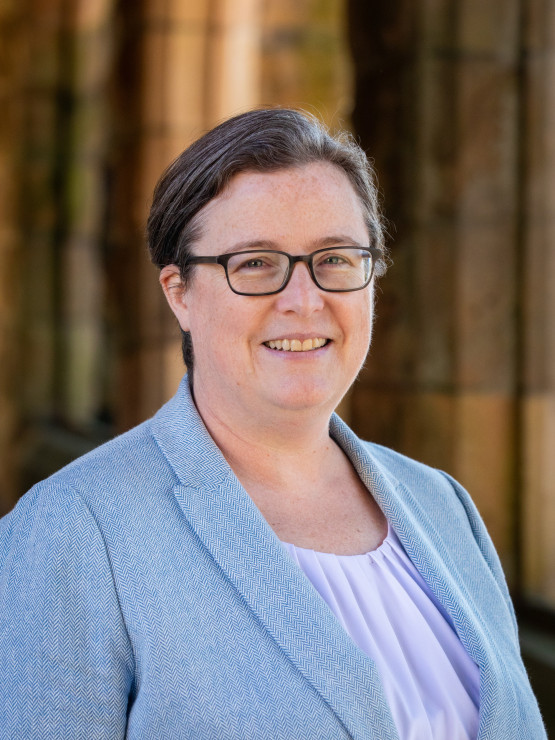
Amy Patterson, Assistant Dean of the Center for Experiential Learning

Amy S. Patterson is the executive director and assistant dean for the Center for Experiential Learning, as well as the Carl Gustav Biehl Professor of International Affairs and Professor of Politics. From 2023 to 2026, she served as the director of the Office of Civic Engagement. She received a B.A. from Trinity University in San Antonio, and a Ph.D. from Indiana University-Bloomington. She was a Peace Corps volunteer in Senegal, working in rural communities on agroforestry projects, and she has led semester-abroad programs in Ghana and overseen internships in several African countries. She has authored or co-authored six books on health, development, and civil society mobilization in Africa. A two-time Fulbright Scholar (Zambia 2011; Tanzania, 2019-2020), her work has appeared in African studies and public health journals. Her most recent project examines the politics of mental health in Africa. She teaches courses on local community development, African politics, and global health governance. The mother of two grown daughters, she lives in Sewanee with her husband and three cats. She enjoys reading fiction, running, ballroom dancing, hiking, and travelling.

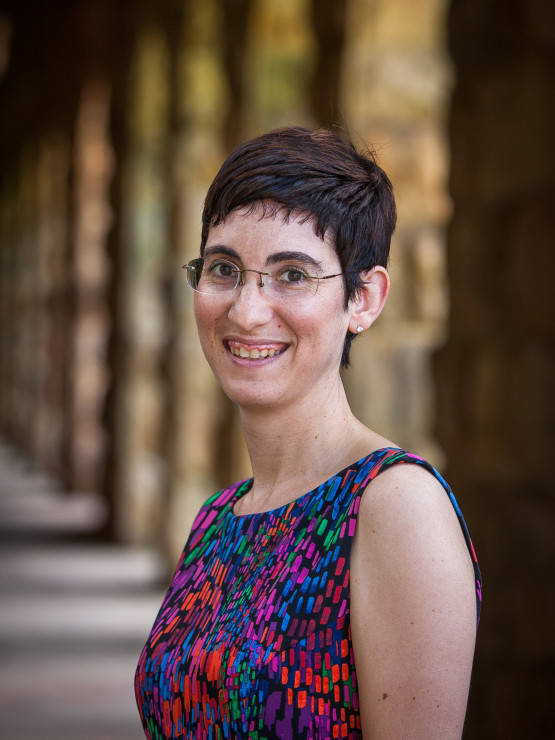
Mandy Bouldin, Interim Director of the Office of Civic Engagement

Mandy Bouldin has served in the Office of Civic Engagement as the director of community development, a position in partnership with the South Cumberland Community Fund. She has directed the University’s Summer Meal Program and has also overseen the South Cumberland AmeriCorps Program. She joined the University in 2024 with 10 years of nonprofit management experience, including roles in a chamber of commerce, a development district, a PBS station, and most recently, as executive director of the Beersheba Springs Medical Clinic. Much of her work focuses on capacity building to strengthen community partner organizations across the Cumberland Plateau.

Elise Kikis, Co-Director of the Office of Undergraduate Research and Scholarship

Professor Kikis teaches biochemistry, molecular biology, and genetics courses. She joined the Sewanee faculty in 2012 with the goal of inspiring the next generation of scientists to think critically and address pressing scientific questions and problems. She earned a B.A. in Biology from Cornell University and a Ph.D. in Plant Biology from the University of California, Berkeley. She then conducted postdoctoral research at Northwestern University where she initiated her long-term research program aimed at understanding the molecular underpinnings of protein folding diseases such as Alzheimer’s disease. She has published 20+ articles, many with Sewanee undergraduate student co-authors, in internationally recognized journals and has successfully competed for research grants from the National Institutes of Health, the Kennedy’s Disease Association, and the Appalachian College Association. Her most recent research addresses the effects of pollution (air pollution and microplastics) on protein folding. She has served the University in a variety of ways including as chair of the Biology Department, chair of the Budget Priorities Committee, chair of the Appointments Committee, and, now, as co-director of the Office of Undergraduate Research and Scholarship.

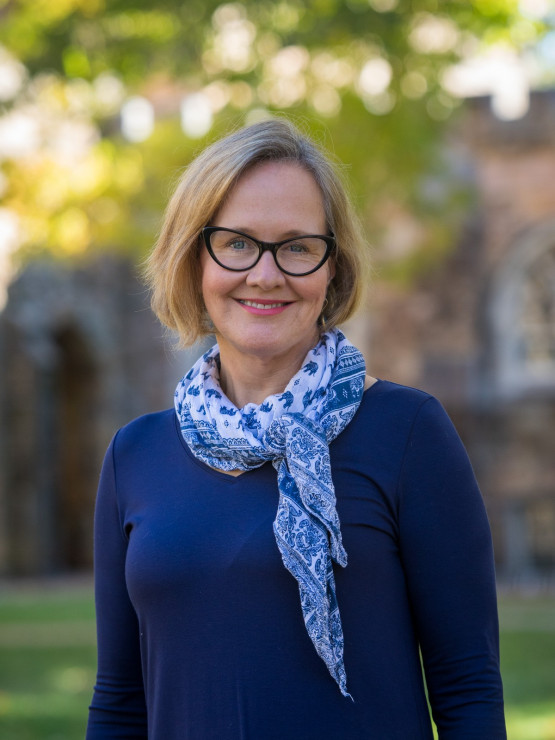
Deborah McGrath, Assistant Dean for the Environment

Deborah McGrath is a professor of Biology and the Carl Biehl Professor of International Studies. She earned a B.A. with majors in economics and international relations at the University of Wisconsin-Madison, and an M.S. in forest resources and conservation and a Ph.D. in forest ecology from the University of Florida. Her research often involves communities and focuses on understanding and managing biogeochemical cycles in wetland and forested ecosystems to address environmental challenges in human-dominated landscapes. Since her days as a Peace Corps volunteer, she has worked with farmers in Africa, Brazil, Haiti, and Tennessee to manage more sustainable agroecosystems that provide ecosystem services such as carbon sequestration. She has taken student research groups to China and Haiti as well as taught students at a University in China. In Sewanee, she teaches courses in agroecology, environmental health and justice, ecology, and field Biology. As assistant dean for the environment, she coordinates Sewanee's six environmental majors.

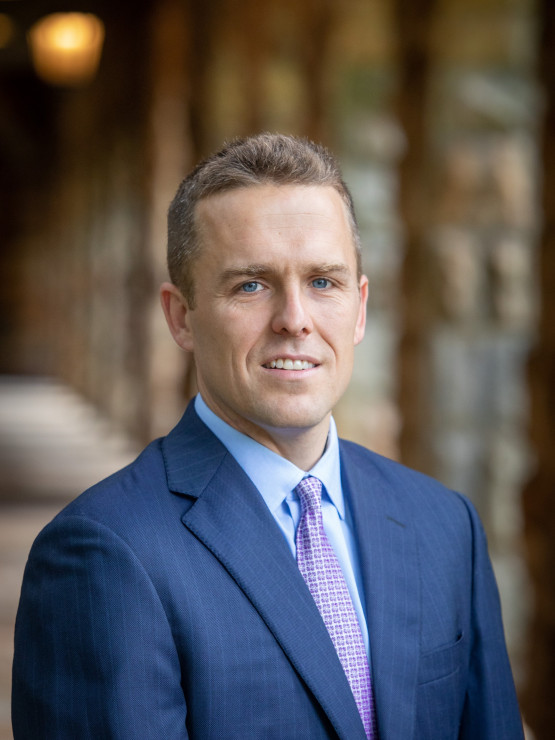
Marcus Murphy, Director of the Office of Global Citizenship

After graduating from Sewanee in 2007, Marcus worked and studied in Qingdao, China, where he earned a Master of Arts in Teaching Chinese as a Second Language from Qingdao University. He now teaches Mandarin Chinese at the college and is dedicated to helping students develop intercultural competence, foster meaningful connections, and build bridges across cultures—preparing them for success on a global stage.

Betsy Sandlin, Director of the First Year Experience

Professor Sandlin teaches all levels of Spanish language and Latin American and Latino/a literature and culture at Sewanee. Her literary research revolves around issues of identity in contemporary U.S. Latino/a and Hispanic Caribbean literature, with an emphasis on gender and sexuality. She has published on the works of Puerto Rican authors Julia de Burgos, Luz María Umpierre, Manuel Ramos Otero, Rane Arroyo, and others. While she has always been interested in foreign language pedagogy, recently her research interests have turned toward faculty development programs and practices in higher education. She is former co-director of the Center for Teaching and now serves as the director of the First Year Experience.

Ross Sowell, Co-Director of the Office of Undergraduate Research and Scholarship

Ross Sowell, C’05, teaches computer science and serves as co-director of the Office of Undergraduate Research and Scholarship (OURS). He earned a Ph.D. from Washington University in St. Louis and spent twelve years teaching at Rhodes College and Cornell College before returning to the Mountain. His research interests include human-robot interaction, computer graphics, and computer science education.  Through his teaching, advising, and work with OURS, he helps students connect classroom learning with opportunities for research, creative exploration, and collaboration. When not in Woods Laboratories, Ross can be found in the forest, on a soccer field, or at Shenanigans.

"Every passport stamp, every different city [I traveled to], every person I formed a relationship with, and every family I served became part of my education, and this Center will give that same gift to every student who comes after me."

—Dante Studenko, C’27