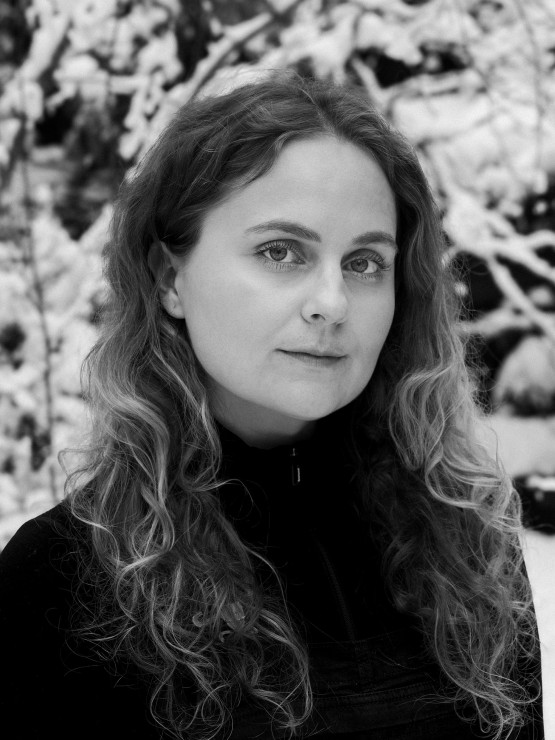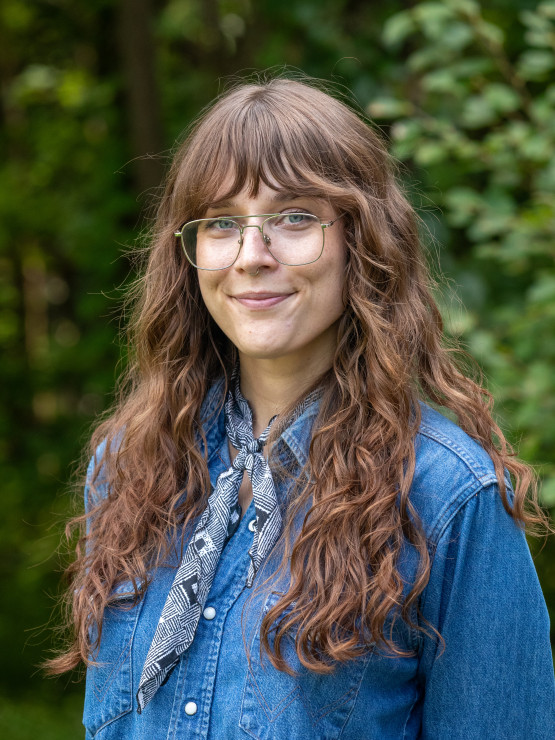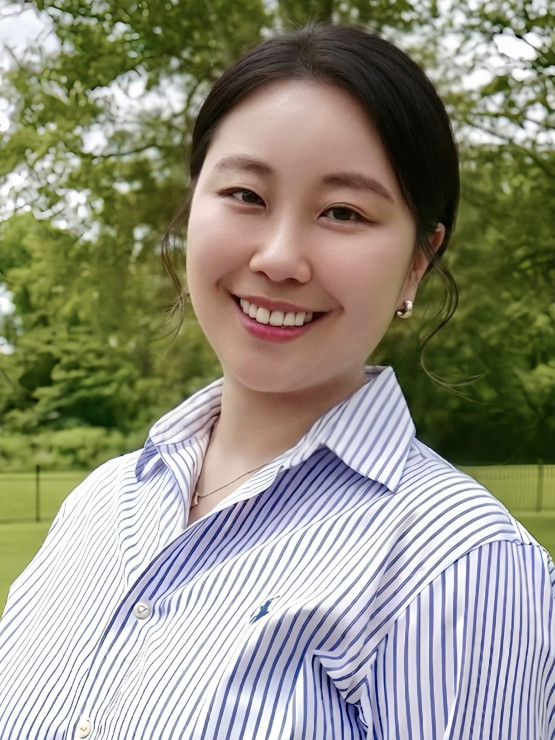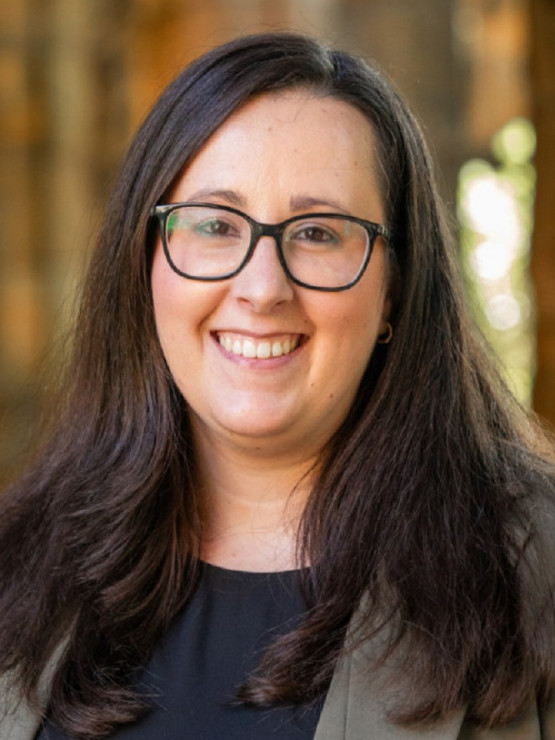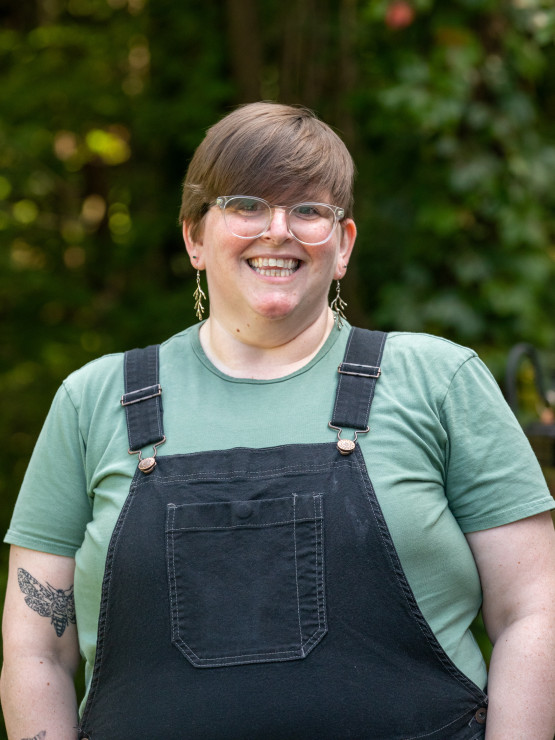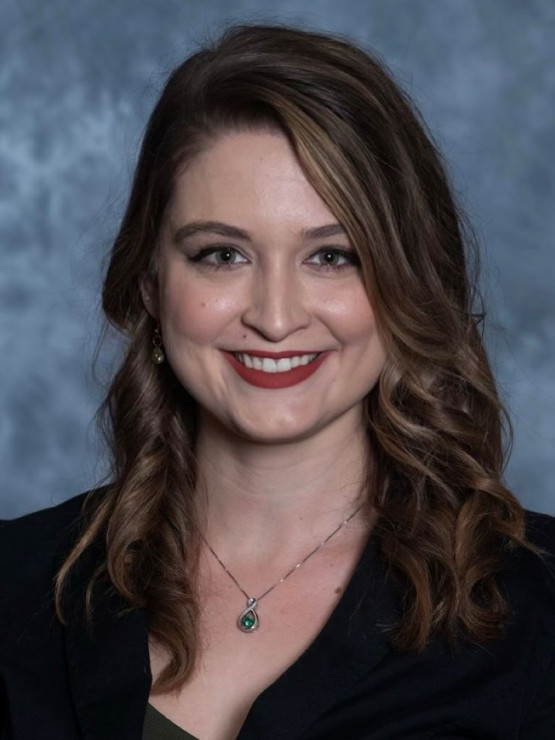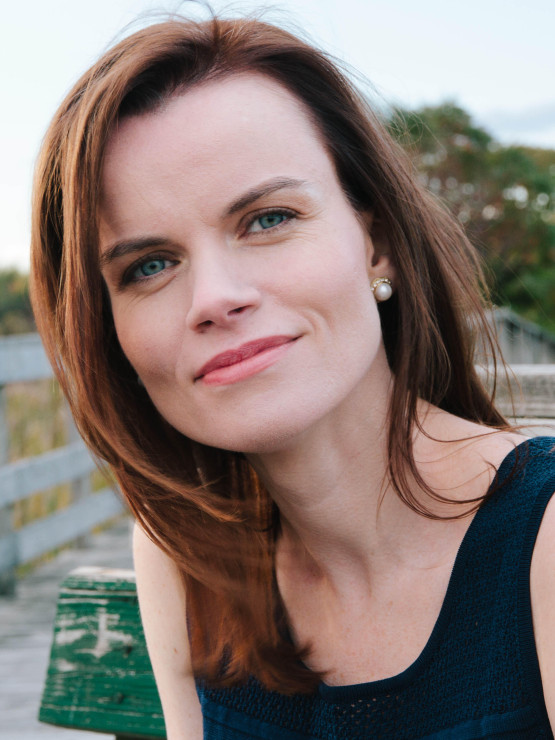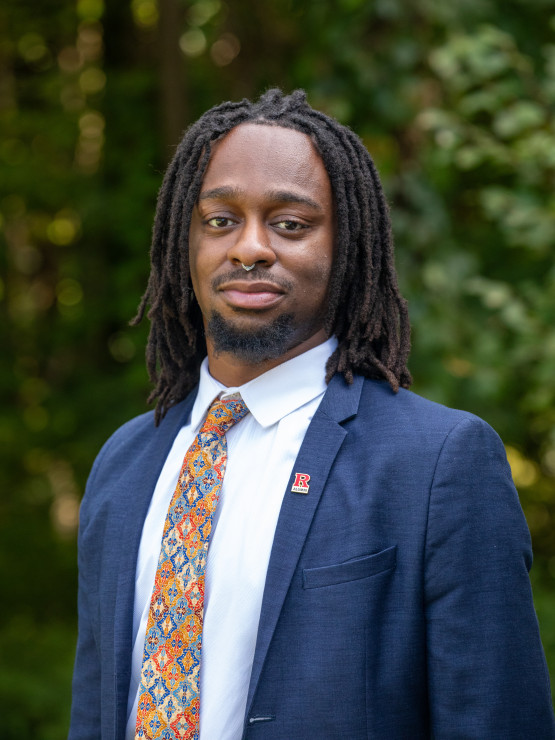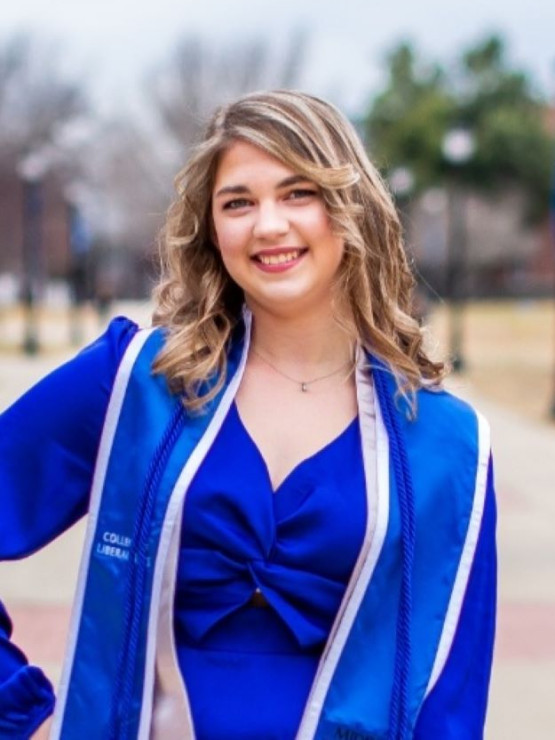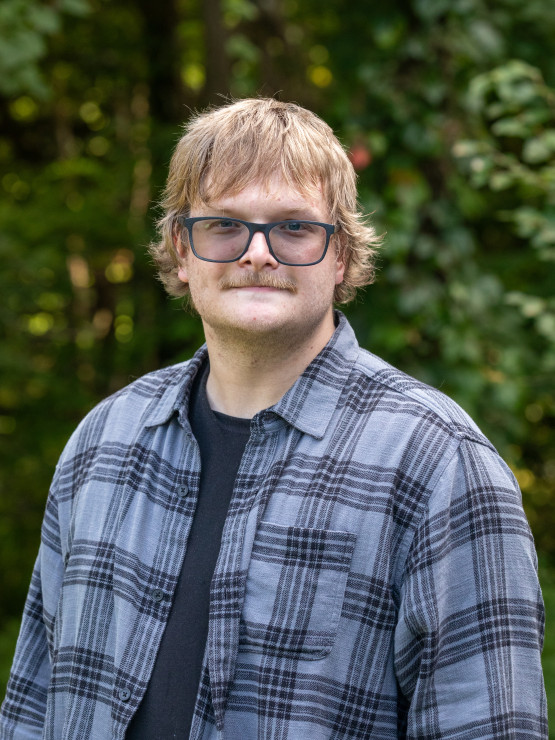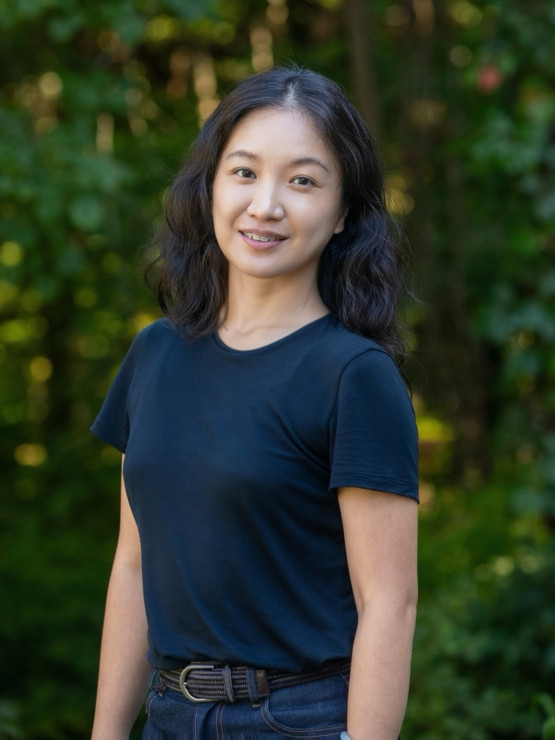
We are delighted to welcome our new faculty for the 2026–27 academic year! It is our great pleasure to have them join—or continue with—our community in new roles. While some are brand new to Sewanee, others are familiar faces who are now transitioning into tenure-track positions. We look forward to their contributions and to getting to know them more fully in the months ahead.

Solbi Kim (Political Science)

Solbi Kim received her Ph.D. in Political Science & International Affairs from the University of Georgia. Her research focuses on comparative political behavior, political trust, and polarization. Specifically, she examines how public trust in politics shapes voting behavior and contributes to party polarization, raising broader questions about representation in democracy. Solbi’s recent work extends this agenda to media influence and political crises in Asian democracies, employing computational text analysis of YouTube videos and comments.


Her research has been recognized through her selection for the Summer School in International Survey Methods at Vanderbilt University and funding from the Institute for Humane Studies (IHS) at George Mason University. She serves on APSA’s Committee on the Status of Graduate Students beginning in the 2025 Fall. She holds a bachelor’s and master’s in political science and international relations from Ewha Womans University in Seoul, South Korea.

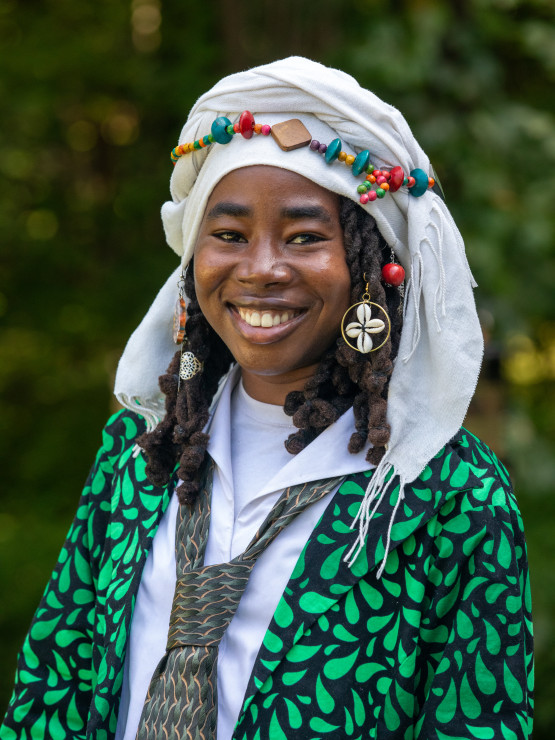
Oluwafunmilayo (Funmi) Akinpelu (English & Creative Writing)

Oluwafunmilayo Akinpelu (Funmi Omo Moji) holds a PhD in English Literature from the University of Alabama. Her research and teaching interests intersect global Black Anglophone literatures (particularly African and African American literary histories), cultural and new media studies, East Asian popular culture, African diaspora studies, postcolonial studies, gender, and sexuality studies.

Her book project titled "Naija Lit to the World: 21st Century Subcultures and the Reconfiguration of Nigerian Literary History" is a work of contemporary literary history that interrogates 21st-century Nigerian literary developments - Afro-Anime, generative AI art forms and social media literature. She is particularly interested in the cultural infrastructure that shape their productions for the purpose of pushing readers to rethink how Nigerian literature is represented, taught, and valued globally. Her work as a researcher is ultimately aimed at proposing new ways of reimagining the historiographies of postcolonial and global Black Anglophone literary landscapes.

A committed, student-centered teacher, Akinpelu teaches courses in ways that integrate literary studies, visual culture, and media analysis, fostering critical thinking and cultural literacy. She imbibes a humanist ethos to teaching in which students reckon with the relatable, everyday dimensions of being human through her courses. She is also very very big on experiential and play-based learning.

Funmi is just as well an active independent curator of arts. Her curatorial practice foregrounds African and diasporic creative labor in digital, archival, and exhibitionary spaces. Her past exhibition projects includes the Digital Girlhood Museum project (2025-26), Still Life: I am Still Life photo exhibit (2026) as well as Scheherazade’s Choir: The Radical Curation of Creative Processes (2024), Arts of War; Hearts of War (2023), and New Myths for a Dying World (2022). She also co-curated the Tuscaloosa Fan Art Exhibition at the Tuscaloosa Public Library. Her interdisciplinary work engages communities outside academia through public humanities, and she holds a certificate in Museum Studies in recognition of her curatorial practice and engagement with performed scholarship and art.
Across her research, teaching, service, and curatorial practices, Funmi's work is driven by a commitment to accessibility, and capturing present and future African and diasporic literary imaginaries with the hope of contributing to the range of epistemic resources needed to combat epistemic injustices in Africa and its elsewheres.

Molly Brown (English & Creative Writing)

Molly McCully Brown is the author of the essay collection Places I’ve Taken my Body and the poetry collection The Virginia State Colony for Epileptics and Feebleminded which was named a New York Times Critics’ Top Book of 2017. With Susannah Nevison, she is coauthor of the poetry collection In the Field Between Us, a National Endowment for the Arts Big Read selection. Brown has been the recipient of the Amy Lowell Poetry Traveling Scholarship, a United States Artists Fellowship, a Civitella Ranieri Foundation Fellowship and the Jeff Baskin Writers Fellowship from the Oxford American magazine. Her research interests include documentary poetics, theopoetics, American eugenics and public memory. Her poems and essays have appeared in The Paris Review, The Guardian, Virginia Quarterly Review, The New York Times, The Yale Review and elsewhere. Raised in the mountains of rural Virginia, she holds degrees from Stanford University and The University of Mississippi. She is an Associate Professor of English and Creative Writing at Sewanee and Editor in Chief of Image Journal.

Lu Yi (Economics/Finance)

Lu Yi is joining the University of the South as an Assistant Professor of Finance. She completed her Ph.D. at the University of North Carolina at Chapel Hill, and previously earned her M.Sc. and B.Sc. in Statistics and Actuarial Science from Simon Fraser University. Her research focuses on private equity, venture capital, pension economics, and financial econometrics, with recent work studying private markets, equity ownership, and employment dynamics at venture-backed companies. She enjoys combining empirical research with teaching, and she is excited to join the Sewanee community and work with students in finance and economics.

Laura Horton (Biology)

Dr. Laura Horton is an environmental scientist and disease ecologist whose teaching and research focus on wildlife health, ecology, conservation, and One Health approaches to emerging diseases. She earned her B.S. in Biology from Belmont University, her M.S. in Environmental Science from Tennessee State University, and her Ph.D. in Comparative and Experimental Medicine from the University of Tennessee. Following her doctoral appointments she was awarded the SEC Emerging Scholars Post-doctoral Teaching Fellowship during which she developed her teaching mission, foundational skills and pedagogy, and then returned to research working on a tick-borne pathogen project developing improved molecular diagnostic assays for public health applications. Her research has examined wildlife disease dynamics across a variety of systems especially in the context of landscape disturbance ecology, including working in urban wetlands, with freshwater turtles, salamanders, snakes, various wild birds, deer, elk, and tick-borne pathogens.


Dr. Horton has taught courses in biology, ecology, microbiology, wildlife and fisheries science, conservation biology, environmental science, and wildlife disease. She is passionate about creating engaging, student-centered learning environments that connect biological concepts to real-world environmental and public health challenges. Her teaching emphasizes critical thinking, scientific literacy, hands-on learning, and the application of ecological principles to contemporary conservation and disease issues.


In addition to her classroom experience, Dr. Horton has mentored undergraduate and graduate researchers, developed new curricula in wildlife disease ecology, and worked extensively in both field and laboratory settings. She is committed to helping students build confidence in scientific inquiry while fostering an appreciation for the interconnected relationships among wildlife, humans, and the environment.


Juan Carlos Castillo (Spanish)

Juan Carlos Castillo is a native of Bilbao (Basque Country, Spain). He earned a B.A. in Spanish Philology from Universidad de Deusto, M.A. in Spanish from The University of Iowa, M.A. in Linguistics from The University of Iowa, and Ph.D. in Linguistics from University of Maryland. He has been a visiting professor at The University of Iowa and Universidad de Jaén (Spain), and was a Professor of Spanish at the University of Northern Iowa. He has taught all levels of Spanish language, including Spanish for heritage speakers. He has also taught courses on Spanish culture and civilization, translation, old Spanish, general and Spanish linguistics, general and Spanish syntax and sports and culture. His research publications include historical linguistics, theoretical and Spanish syntax, Spanish phonology, and the intersection of sports, culture and society. He has also published short fiction and literary translations.


Eileen O'Connor (Spanish)

Eileen O'Connor is an educator, scholar, and literary translator whose teaching philosophy is that learning a new language can transform the way students see themselves and the world around them. As a Visiting Assistant Professor of Spanish, she aims to create a classroom where students can embrace both the joys and challenges of finding their voices in a new language. Before coming to Sewanee, she taught at Harvard University, Wellesley College, and Lesley University. 


Professor O’Connor recently earned her PhD in Hispanic Studies from University College Cork, where she was a Government of Ireland Postgraduate Scholar. Her doctoral research explores literary translation as a creative-critical practice through the translation and critical study of the work of Peruvian poet Blanca Varela. She also holds an MA in Latin American Studies from NYU and a BA in Romance Languages and Literatures from Harvard. Her translations from Spanish include the poetry collections Pez/Fish by Mariela Dreyfus and Harbors of Light by Marjorie Agosín, as well as Agosín's novel I Lived on Butterfly Hill. She also writes fiction and nonfiction.


C. "Meaks" Meaker (English & Creative Writing)

C. “Meaks” Meaker is a writer and teacher whose work often explores queerness, monstrosity, and the end of the world. Their plays have been performed and developed across the United States, including the Kennedy Center, Seattle Repertory Theatre, San Francisco Playhouse, Annex Theatre in Seattle, and About Face in Chicago. They are a Stranger Award Genius Nominee and a Gregory Award Outstanding New Play Nominee. They are a former Jerome Fellow at the Playwrights’ Center, an alumna of Seattle Repertory Theatre’s Writers Group, and a former Walter E. Dakin Fellow at Sewanee Writers’ Conference. Their essay “S(wallow)” won the Editor’s Prize at Porter House Review, and they have other publications in under the gum tree and West Trade Review. They were a Creative Nonfiction Fellow at Lambda Literary and received an MFA in Playwriting from the University of Iowa’s Playwrights’ Workshop.

Bryan Walker (Math & Computer Science)

Bryan attended Sewanee for his bachelor's degree, where he studied physics and mathematics. He earned his master's degree at the University of Tennessee, Knoxville, where he primarily studied geometric PDEs, such as mean curvature flow, Ricci flow, and Einstein's equation. His interests include scientific modeling and simulation, analysis on metric measure spaces, and geometric topology.

Alessia Martini (Italian)

Alessia Martini is originally from Marina di Carrara, Italy. Her research on transnational Italian studies primarily explores spatial portrayals of modernity in twentieth-century Italian literature and visual arts, as well as space, identity, and memorialization within Italian migrant communities. Her current work examines visual representations of Italian ethnic identity in memorials created by Italian Americans. She has been a faculty member at Sewanee since 2019, serving as Visiting Assistant Professor of Italian. She teaches courses in Italian language and culture, contemporary literature, cinema, and Italian American studies.


Alexis Hagestad (Art)

Alexis Joy Hagestad (she/they) is an interdisciplinary artist using lens-based media and multispecies collaboration. Raised in Missoula, Montana, she’s always been inspired by the surrounding coniferous forests, grasslands, wetlands, and riparian corridors along the Clark Fork and Bitterroot rivers. Through these experiences, her research uncovers often-overlooked narratives of various species, exploring ecological and personal grief while investigating the interconnectedness of all living beings. Hagestad examines how resilience within ecosystems can parallel resilience within ourselves. In 2021, Hagestad was selected as a finalist in Photolucida’s Critical Mass. She is the recipient of the Marcia Grand Centennial Sculpture Prize from the University of Arizona School of Art and was named a Carson Scholar through the Arizona Institute of Resilience for the 2024-25 academic year. In 2025, her solo exhibition, this forest remembers fire, was recognized as one of the top 25 student projects by Lenscratch. Alexis holds a Bachelor of Fine Arts in Photography from the Savannah College of Art and Design (2016) and a Master of Fine Arts in Studio Art with an emphasis in Photography, Video, and Imaging from the University of Arizona (2026).

Alix Ehlers (Earth & Environmental Systems) 

Alix Ehlers is a crystallographer interested in the structure and stability of crystalline material at extreme conditions. Her dissertation encompassed deep-earth mineral stability, thermodynamics of novel materials, and dynamics of atmospheric minerals in jet engines (“jet engine petrology”). She recently earned a Ph.D. in Geosciences from Virginia Tech, and has previously earned bachelor’s degrees in Geology and Pure Mathematics from the University of Vermont. She will be a 2-year postdoctoral fellow at the University of the South, specially focusing on the chemistry and structure of water-bearing mineral phases in Earth’s lower mantle.

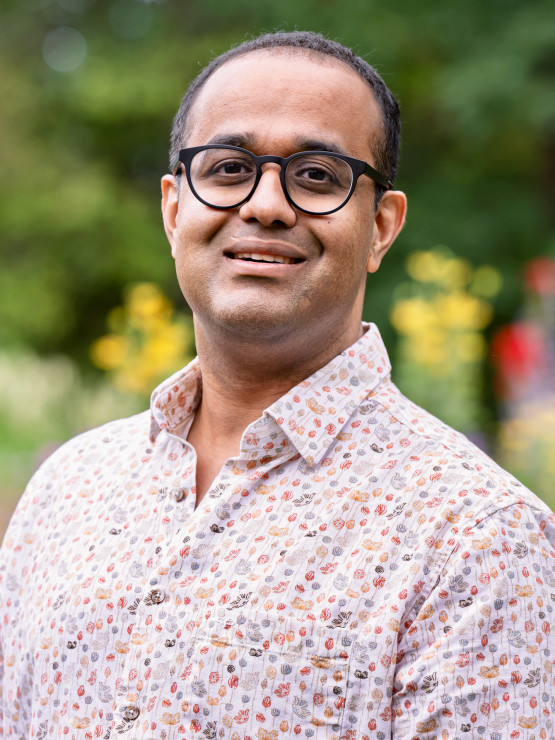
Aditya Bhattacharjee (Religious Studies)

Aditya Bhattacharjee joins Sewanee this fall as Assistant Professor of Religious Studies. A scholar of South and Southeast Asian religions, his research explores interactions between Hindu and Buddhist traditions in India, Thailand, and North America. He is currently completing his first book, Global Ganesh: Mapping a Divine Diaspora, an ethnographic study of how the Hindu deity Ganesha has assumed an increasingly prominent place in the devotional practices of people living in some of the world's most dynamic urban centers.


Earning BA and MA degrees from McGill University in Canada, Aditya moved to the United States in 2017 and completed his PhD in Religious Studies at the University of Pennsylvania in 2023. Before joining Sewanee, he taught at the Rhode Island School of Design (RISD) and held a Mellon Postdoctoral Fellowship at Cornell University's Society for the Humanities. After living, studying, and teaching across several countries, he is delighted to be establishing roots on the Domain and looks forward to getting to know his students, sharing meals with friends, and sharing his lifelong love of South Asia's myriad performing arts traditions with the Sewanee community.