
This year’s two-night Anita S. Goodstein Lecture in Women’s History offered a memorable opportunity to reflect on the achievements of the women’s and gender studies program and its founder Dr. Julie Berebitsky at the University of the South.
On April 7, Sewanee welcomed Dr. Katherine Parkin, Professor and Jules Plangere, Jr. Endowed Chair in American Social History at Monmouth University, and Dr. Katherine Turk, Professor and Adjunct Associate Professor of Women’s and Gender Studies at the University of North Carolina, Chapel Hill, to campus as the 2026 Anita S. Goodstein Lecturers in Women’s History. Moderated by Dr. Melody Lehn, Associate Professor of Rhetoric and Chair of Women’s and Gender Studies, their lecture and roundtable, “Revisiting Sex and the Office: A Conversation on the History of Gender, Power, and Desire” explored the contemporary challenges women face in the workplace alongside key insights of the newly released second edition of Sex and the Office, written by the late Dr. Julie Berebitsky, Professor of History at Sewanee and founding director of the university’s Women's and Gender Studies program.
On April 8, we welcomed seven women’s and gender studies alums to join us for a conversation in Convocation Hall expertly moderated by Dr. Liesl Allingham, Associate Professor of German and German Studies. Alums fondly remembered Dr. Berebitsky’s courses, mentoring, and impact. Learn more about the conversation below.
Ronald A. Allen, C’03 in History, graduated as the first male student with a women’s and gender studies concentration. Since earning a Master of Arts in History from Howard University in 2006, he has blended his academic training with theological leadership and community organizing. He remarked about how foundational texts that Dr. Berebitsky taught, such as Killing Rage: Ending Racism by bell hooks and Hope in a Jar by Deborah Marcero, have stayed with him. Courses in Women’s and Gender Studies have supported his life’s work in helping to create healthy and happy homes in communities where people understand their history, minister to themselves, and educate themselves and their families.

Dr. Carrie Barske Crawford, C’22 in History and Women’s and Gender Studies, pursued a Master’s degree in Public/Applied History from Northeastern University in 2003 and completed a Ph.D. in History at the University of Massachusetts-Amherst in 2011. Dr. Crawford is currently an assistant professor at the University of North Alabama, where she works in the fields of public history, Alabama history, and environmental history. Dr. Crawford’s first class in U.S. history with Dr. Berebitsky was a “transformative” experience and inspired her to become a historian herself. Dr. Crawford emphasized how her coursework in women’s and gender studies at Sewanee encouraged her to have difficult conversations and explore unpopular topics, which has greatly benefited her as an educator.
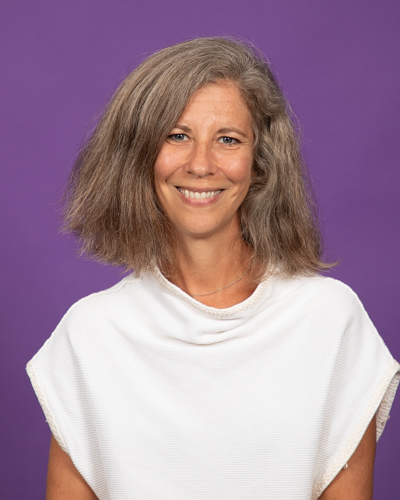
Claire Forbes, C’15 in History and Women’s and Gender Studies, earned a Master of Education from Vanderbilt University in 2020. She previously worked as an Academic Success Coach at the University of Colorado College of Nursing in Denver, and joined the staff of the Office of Community Standards as the Director of Community Standards & Deputy Title IX Coordinator in Fall 2026. As an educator, Forbes appreciates how the Women’s and Gender Studies program helped her to see “connections between people’s experiences and the various movements for social change I was studying.” She especially appreciates how coursework in WMST helped her recognize and contextualize her own experiences with medical misogyny, and to listen empathetically to those she works with. In her words, Julie Berebitsky not only modeled how “the personal is political,” but also how “the political is personal.”
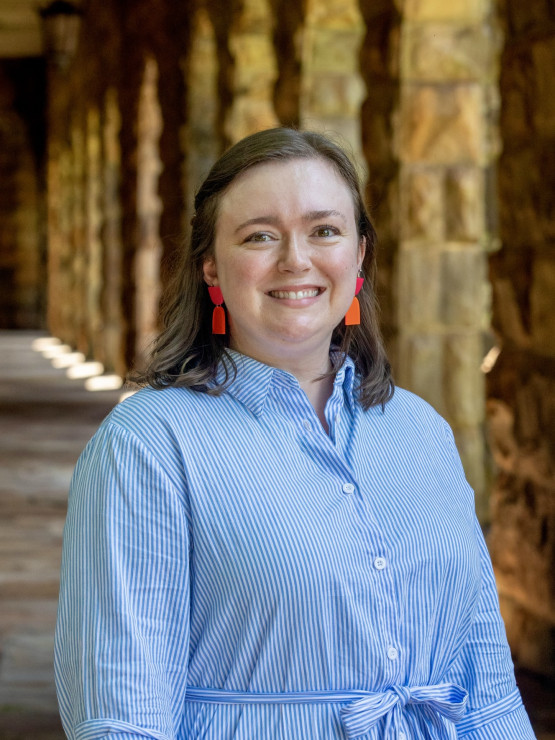
Michelle Howell, C’15 in Anthropology and Women’s and Gender Studies, made a lasting impact at Sewanee as a Co-Director of the Bairnwick Women’s Center and an intern at End Slavery Tennessee. With support from Dr. Berebitsky and then-Dean of the College Terry Papillon, Howell spearheaded Sophia Wallace’s 2015 visit to campus. Navigating the controversy surrounding Wallace’s “Solid Gold Clit” display in duPont Library, Howell recalled, provided her with the tools necessary for feminist organizing and activism. Since graduating, Howell has served as the youngest board member of the Women’s March in Washington D.C. and is the new Chief of Staff for the National Fund for Women. Dr. Berebitsky and the WMST program taught Howell how to “read culture and power dynamics,” and she suggested that current students interested in activism might draw upon the strategy of “power mapping” to identify where relationships might form and get conversations going to bring about positive change for gender equality.

Jane Johnson, C’08 in Psychology and Women’s and Gender Studies, pursued a Master of Social Work from the University of Alabama. Since graduating, Johnson has worked as a therapist at the Mind, Body, and Heart Wellness Clinic in Birmingham, Alabama. Julie Berebitsky, Johnson noted, helped to make women’s and gender studies a legitimate area of study at Sewanee. In the Women’s and Gender Studies program, Johnson found a “vocabulary for concepts” essential for a profession in which she seeks to be a “safe and informed” health provider.
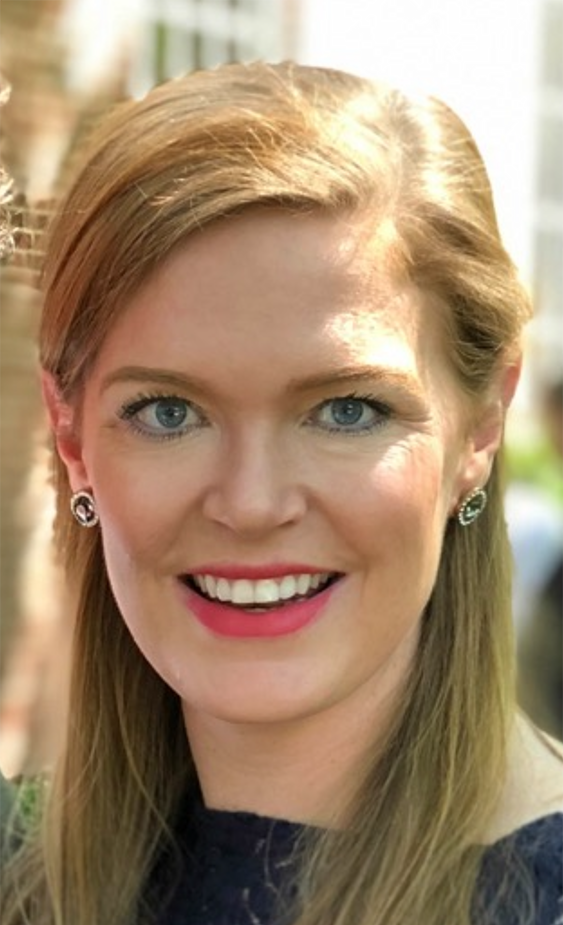
Summer Martins, C’00 in Anthropology and the Women’s Studies Concentration, is a sexual and reproductive health epidemiologist based in St. Paul, Minnesota. Her focus areas are contraception, abortion, sexually transmitted infections, adolescents/young adults, and health equity. Echoing Johnson’s insights, Martins shared that a foundation in Women’s and Gender Studies provided her with a “lens to account for the complex web that determines someone’s health outcome.” Martins was the first Sewanee student to graduate with Women’s Studies as a concentration.

Jessica Osaki, C’22, paired Art History and Women’s and Gender Studies at Sewanee before matriculating to Vanderbilt University for a Master of Education and a Master of Business Administration. Osaki has carved a path for herself as a Senior Program Manager at Google DeepMind in the San Francisco Bay Area. Osaki described how, at times, she finds herself as the only woman in the room–and WMST gave her equipment for navigating professional contexts where women have limited access and representation. Following Julie Berebitsky’s example, Osaki strives to bring other women to the table and create a space for conversation and collaboration. “Finding a women’s history class was like finding home,” she reflected.
The WMST program is very grateful to Dr. Tiffany Momon, Dr. Woody Register, and Chris McCreary for making this incredible event possible, and we look forward to keeping the conversation going!