Before America Fell in Love with Soccer, One Sewanee Alumnus Helped Lead the Way
July 17, 2026
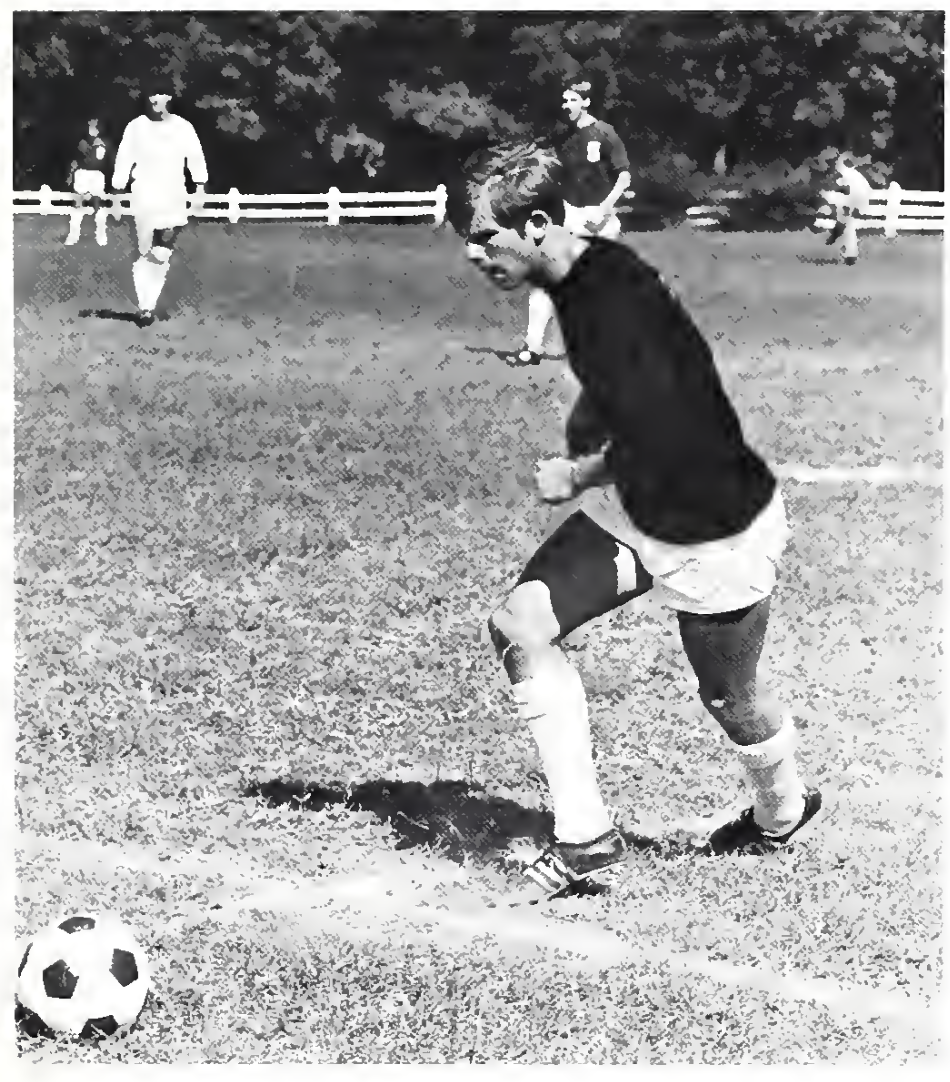 On Sunday, billions of viewers around the world will tune in for the FIFA World Cup Final. In the United States, the tournament has underscored just how far the sport has come. Soccer is now one of the nation's most watched and widely played sports, with professional leagues drawing record crowds and a new generation of fans embracing the global game. But when Kyle Rote Jr., C'72, arrived on the Mountain more than 50 years ago, soccer occupied a very different place in the American sports landscape. The sport was still finding its footing in the United States. Few colleges in the South offered varsity soccer, and professional opportunities for American-born players were scarce. Sewanee was among those institutions helping grow the game, and one of its most accomplished student-athletes would soon help introduce soccer to a national audience.
According to a 2015 profile by veteran soccer journalist and historian Michael Lewis, published in The Guardian, Rote chose Sewanee in part because it was one of the few colleges in the South with a varsity soccer program. His best friend from high school had enrolled at Sewanee, and Rote saw an opportunity to help build the program. It proved to be the beginning of an extraordinary career. At Sewanee, Rote quickly established himself as one of the finest student-athletes in University history. A captain of the soccer team, he finished his career with 47 goals, 16 assists, and 110 points, setting several school records along the way. His 1969 campaign was particularly remarkable: in just 12 matches, Rote recorded 17 goals and seven assists—an astonishing pace that still ranks among the greatest single seasons in program history. His athletic ability extended well beyond the soccer pitch. In 1972, Rote captured the College Athletic Conference championship in the javelin, set a school record with a throw of 211 feet, 2½ inches, and qualified for the NCAA Championships.
After graduating with a degree in psychology in 1972, Rote became the No. 1 overall selection in the inaugural North American Soccer League College Draft, chosen by the Dallas Tornado. Just one year later, he enjoyed a breakout rookie campaign, earning NASL Rookie of the Year honors while becoming the league's leading scorer—the first American-born player ever to accomplish the feat. His success came at a pivotal moment in American soccer. Years before Pelé and Johan Cruyff helped transform the NASL into an international attraction, the league was searching for homegrown stars who could introduce Americans to a sport still largely unfamiliar to mainstream audiences. Rote became one of those pioneers, and his growing profile soon extended well beyond the soccer field. Beginning in 1974, Rote competed in ABC's Superstars, a made-for-television athletic competition that pitted elite athletes from different sports against one another in events ranging from swimming and tennis to cycling and obstacle courses. In an era before ESPN and around-the-clock sports coverage, Superstars became one of television's biggest sporting events, drawing millions of viewers and introducing athletes from less prominent sports to mainstream American audiences.
Rote won the competition three times—in 1974, 1975, and 1977—becoming the only athlete to claim three titles during the decade. He competed alongside some of the biggest names in American sports, including Roger Staubach, Lynn Swann, and Stan Smith. As Michael Lewis wrote in The Guardian, Rote entered the competition as one of America's best-known soccer players and emerged as a household name. His newfound fame brought attention not only to himself, but to the sport he represented. As Rote later reflected, he approached every appearance with a sense of responsibility, determined never to embarrass "the game of soccer or my family's name." Former Dallas Tornado teammate Kenny Cooper told The Guardian that Rote's visibility "helped catapult the game to a different level. It helped the league. It helped everybody."
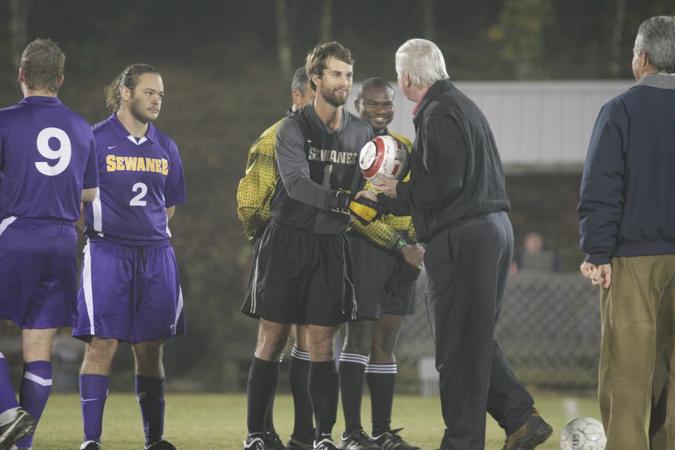 Over the course of his professional career, Rote represented the United States in 15 international matches, becoming the first Tennessee soccer player selected to the U.S. Men's National Team. Following his playing career, he remained deeply involved in athletics as a broadcaster, coach, sports agent, author, motivational speaker, and later as director of the Tennessee Sports Hall of Fame. In recognition of his lasting impact on the sport, Rote was inducted into the National Soccer Hall of Fame in 2010. Sewanee inducted Rote into its Athletics Hall of Fame in 2004, recognizing one of the most accomplished student-athletes in our history. In 2022, the University presented Rote with its Distinguished Alumnus Award, one of Sewanee's highest honors, recognizing alumni whose lives and careers exemplify service, achievement, and dedication to the University and the broader community. Today, his legacy remains a visible part of the program, as the fieldhouse at Puett Field—home of Sewanee Soccer—bears his name.
Today, Sewanee's men's and women's soccer programs regularly compete for conference championships, representing a sport that has become woven into the fabric of collegiate athletics and American culture. As the 2026 FIFA World Cup draws to a close and another champion is crowned, it is worth remembering that decades before soccer captured the attention of millions of Americans, one Sewanee alumnus helped lay the foundation for its rise. The beautiful game may belong to the world, but one of its earliest American success stories began on the Mountain.